AI Fence HQ field reference · Updated Oct 15, 2026
AI can't build fence. It can run a tighter office.
Plenty of good shops still quote on a carbon pad and hear "AI" as a sales pitch. Fair. This is the plain talk version: AI doesn't dig posts or hang panels. It cleans up estimating, drawings, follow-up, and scheduling so crews stay in the field.
Use cases for estimating, design, install planning, leads, job photos, safety, gates, light maintenance, and what to ask manufacturers. When a number is not backed by a source we trust, we do not print it.
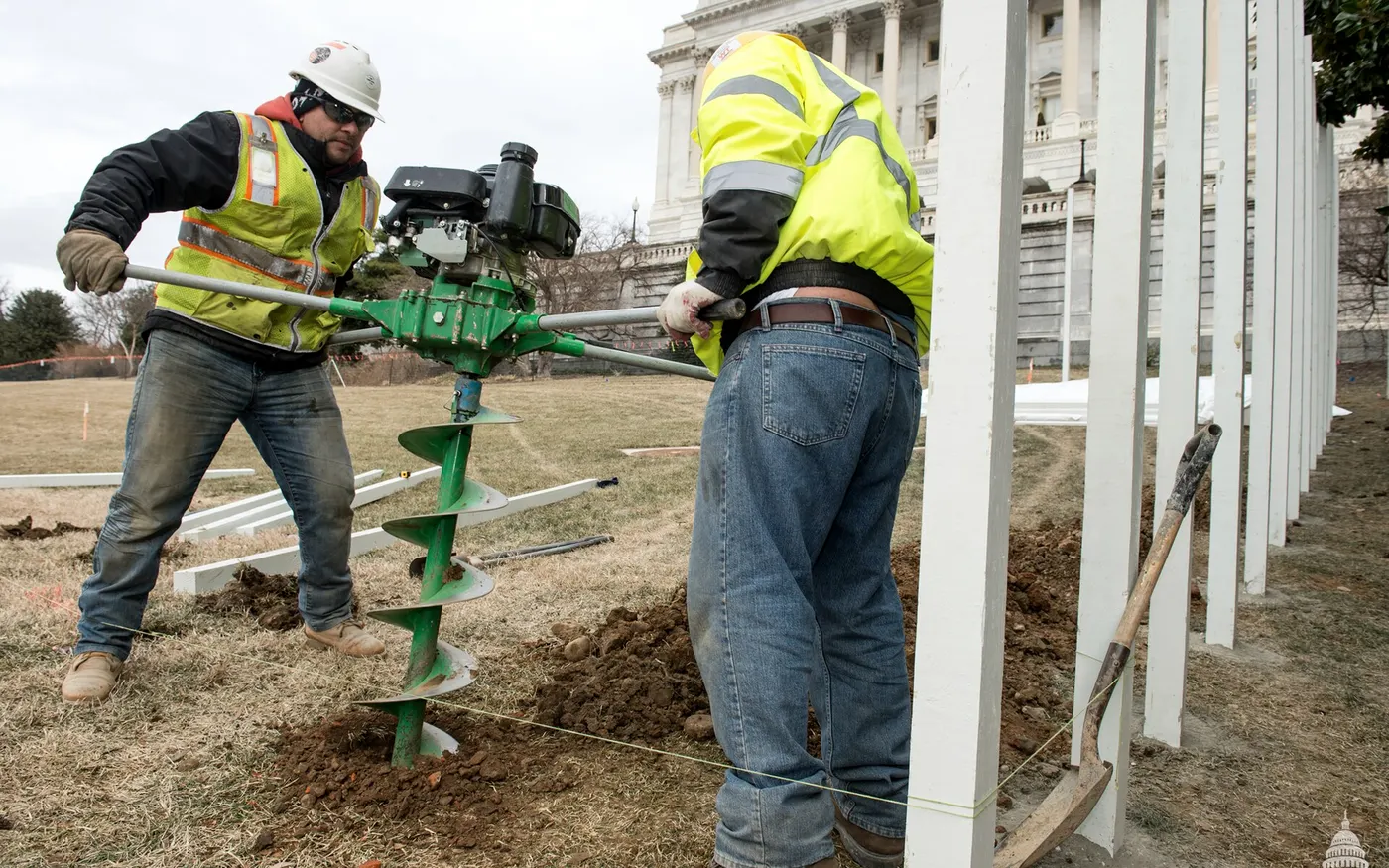
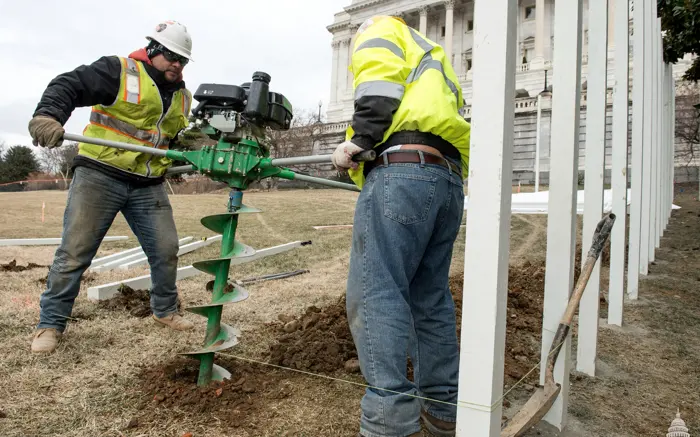
AI doesn't run the augerPhoto: USCapitol via Wikimedia Commons · Public domain
01AI can't build fence. It can clean up the office.
02AI doesn't dig posts or hang panels. It writes the follow-up you keep forgetting.
03Respect the craft. Fix the paperwork.
04Crews in the field. Office caught up.
About those big AI fence stat pages. Some sites list dozens of precise percentages for robots, drones, and waste savings. Many of those figures and source domains do not hold up. We will not copy them. If we cannot show a real cite, you get practical guidance instead.
How we built this guide
Use case reference · Not a paid vendor ranking · Updated 2026-10-15
Start from real fence workflows. Estimate, sell, dig, set, hang gates, collect, warranty.
Map where software and AI already show up. Photos, takeoffs, scheduling boards, chat intake, document search.
Refuse fake precision. No made up percent savings. Labels like Verified only appear with a source we would hand to a skeptical owner.
Write for the truck and the office. Short sentences. Tools are optional. Habits come first.
Sister sites: AI Fence Pros for contractor playbooks, AI Fence Design for homeowner style and cost explainers. Both deep link into the sections below.
Key takeaways
AI helps most fence shops first in estimating, photo intake, and follow up. Not in buying a robot.
Force every quote into posts, panels, gates, labor, and the hard digs. Fuzzy lump sums hide losses.
Show a few design options tied to the real house photo and local height rules.
Schedule by machine and material, not by wishful street order.
Answer leads fast, demand photos early, tag by job type, follow up twice.
Before / during / after photos plus utility marks protect you when memory fades.
Locates, pool barriers, and gate operator safety rules beat any marketing render.
Fix sagging gates before you bolt on cameras and apps.
Ignore glossy industry percentages you cannot trace to a real primary source.
Share this page with your estimator and your field lead. Argue about habits, not hype.
SECTION 03Estimating and sales
This is where most fence companies should start. Better intake and cleaner line items beat a fancy chatbot that cannot price a gate.
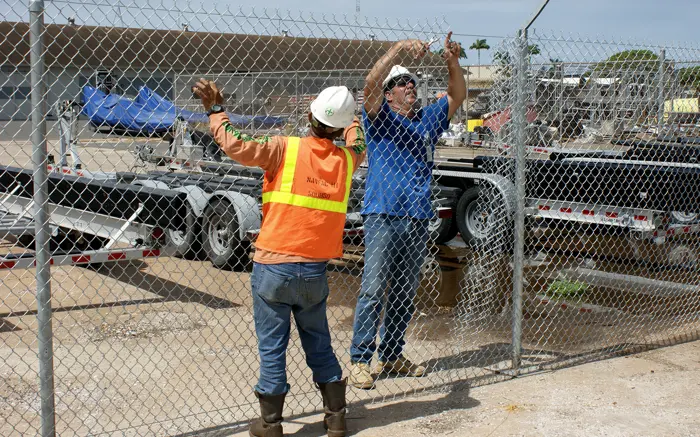
Pen and paper still works at the tailgate. The office is where quotes stall.Photo: NAVFAC via Wikimedia Commons · CC BY 2.0
01
Photo takeoffs beat half finished sketches
Have the homeowner send clear phone photos of the line, gate opening, and grade changes. An estimator (or an AI assist on those photos) can spot slope, trees, and odd corners before you roll a truck.
Cuts wasted site visits when the first call already shows a retaining wall or dog run you were never told about.
Jobsite practice
02
Break every quote into post, panel, gate, labor
Whether you use spreadsheet formulas or AI drafting help, force the estimate into posts, rails, infill, gates, hardware, haul off, and labor hours. Fuzzy lump sums hide money.
Makes change orders clean when the customer adds a third gate mid job.
Jobsite practice
03
Price the hard parts first
Gates, corners, steps on grade, rock digs, and HOA rules eat margin. Put those lines at the top of the worksheet so AI or junior estimators cannot bury them under linear footage.
Same habit works if you still write tickets by hand.
Jobsite practice
04
Keep a lost bid file
Save what you bid, what won, and why you lost. Even a simple folder of PDFs teaches the next estimate. AI chat tools can summarize patterns if you paste redacted notes.
Turns gut feel into something you can train a new estimator on.
Homeowners buy what they can see. AI mockups help when they stay honest about grade, posts, and code.
05
Show two or three options, not twelve
AI image tools can mock styles fast. Use that speed to show a privacy panel, a semi open look, and one upgrade. Too many renders freeze the customer.
Homeowners decide faster when the choice is clear.
Jobsite practice
06
Match the house, not the catalog cover
Feed the tool a photo of the actual house elevation. Ask for fence styles that fit the siding and roofline you already see on site.
Fewer 'that looked different online' callbacks.
Jobsite practice
07
Call out code and HOA before pretty pictures
Height limits, setbacks, pool barriers, and sight triangles at driveways are not optional. Put those notes next to any AI design so sales does not promise a six foot wall where four foot is the max.
Design pages should link to local rules, not just mood boards.
Jobsite practice
08
Keep a style board per neighborhood
Save winning looks by zip or subdivision. AI can help tag them. Crews and sales then pull proven combos instead of reinventing every lead.
Good for franchises and multi crew shops.
Jobsite practice
Pretty pictures are fine. Selling a six foot wall where the town caps you at four is how you earn a bad week.
Field time is money. Use boards and checklists that match how iron and dirt actually move.
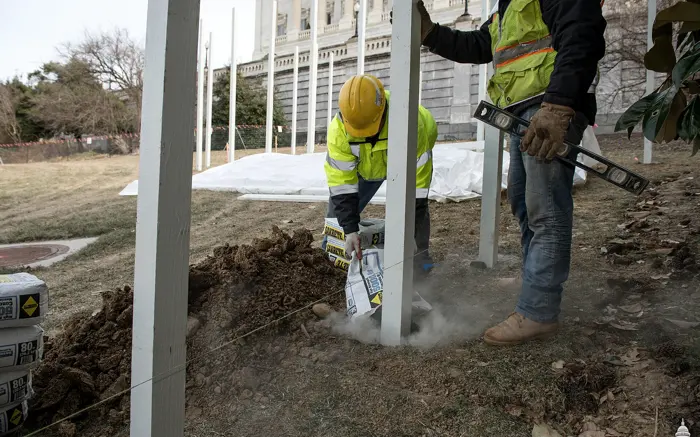
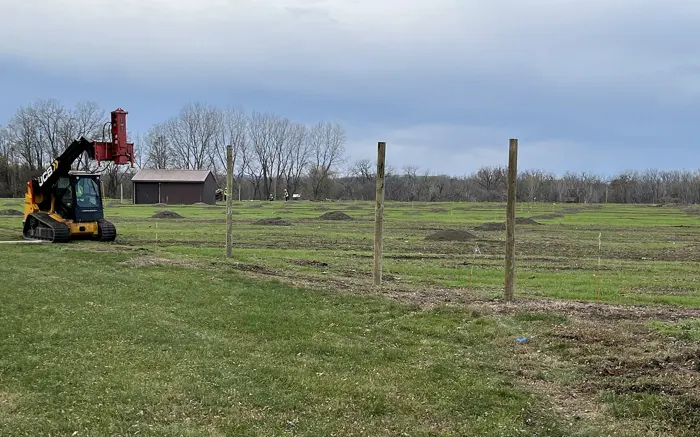
Field time is money. Plan the board so iron and people stay busy.Photo: USCapitol via Wikimedia Commons · Public domain
09
Sequence digs by machine, not by street number
Group rock, soft dirt, and long runs so the auger and skid steer stay busy. Scheduling tools (AI or not) only help if your board shows equipment first.
Idle iron costs more than idle talk.
Jobsite practice
10
Photo the utilities mark before you dig
Snap the locate paint and flags. Store them on the job folder. If something goes wrong later, you have proof of what was marked that morning.
Same folder is where AI document tools can pull a quick job packet.
Jobsite practice
11
Gate hardware gets its own checklist
Hinges, closers, latches, drop rods, and operators fail more punch lists than panels. A short gate checklist on the phone beats memory.
Pairs with the gate and security section below.
Jobsite practice
12
End of day: what is left, what is blocked
One voice note or form from the lead: footage left, material short, inspection wait. Office can replan tomorrow without a long call.
Simple text is enough. Fancy AI summaries are optional.
Jobsite practice
A clean board beats a colorful dashboard your lead never opens after lunch.
Most fence leads go to whoever answers first with a real price range or site visit window. AI chat on the website can take photos and address while you are on a dig.
Human follow up the same day. Bots that never hand off lose trust.
Jobsite practice
14
Ask for photos in the first message
Auto ask for fence line photos, gate width, and pet or pool needs. That one habit makes every lead easier to quote or kill early.
Works in SMS, web form, or voicemail transcript tools.
Jobsite practice
15
Tag leads by job type
Privacy, pool, ranch, commercial, repair. Your CRM or a tagged inbox stops repair jobs from sitting behind big installs.
AI can suggest tags from the first email if you keep the list short.
Jobsite practice
16
Follow up twice, then park it
A short day 2 and day 5 nudge is enough for most residential leads. Long drip sequences feel like spam on a fence bid.
Park cold leads in a spring or fall bucket when weather opens up.
Jobsite practice
Be first, be clear, ask for photos, then get out of the inbox.
Three sets of photos protect you on warranty and help sell the next similar job. Phone camera is fine. Name folders by address and date.
Later you can let AI search that library when a new lead looks familiar.
Jobsite practice
18
Shoot the problem, not just the pretty post
Capture lean, rot, bad footings, and neighbor line disputes. Sales and legal both need the ugly shots.
Do this before demo day.
Jobsite practice
19
Gate openings get a tape in the frame
Lay a tape or known length board in the photo so office can sanity check width without driving back.
Stops wrong gate orders.
Jobsite practice
20
Keep customer faces out of marketing shots
If you reuse job photos on the web or in AI training style boards, crop people and license plates. Ask before you post a house that is easy to recognize.
Basic respect and fewer headaches.
Jobsite practice
If it is not in the folder, it did not happen when the customer calls in six months.
SECTION 08Safety
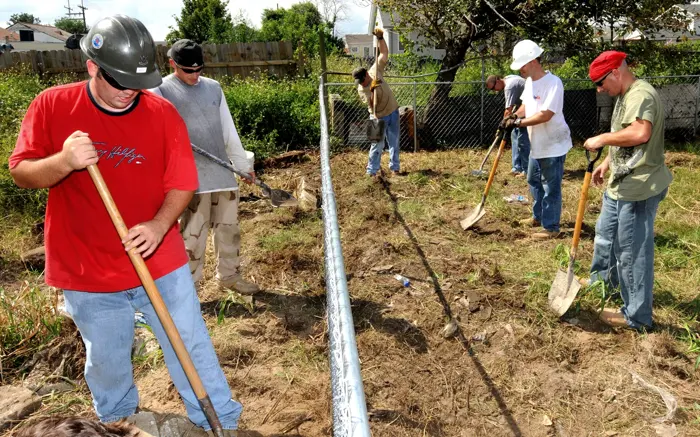
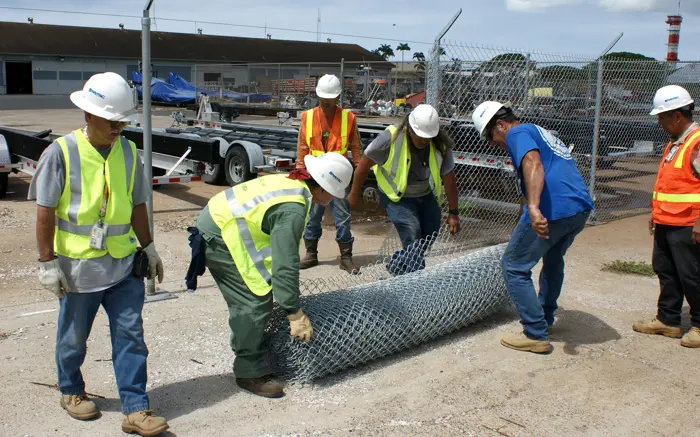
Hand dig near the marks. No app changes that.Photo: U.S. Navy photo by Mass Communication Specialist 2nd Class John Curtis via Wikimedia Commons · Public domain
21
Locates are not optional theater
Call before you dig, wait for marks, photo them, and hand dig when you are close. AI scheduling cannot override that.
One utility strike wipes a month of profit.
Jobsite practice
22
Treat operators and ladders like the real risk
Most field injuries around fence work still come from machines, lifts, and falls, not from panels. Short toolbox talks beat long binders nobody reads.
Use AI only to remind crews from a checklist you already trust.
Jobsite practice
23
Pool barrier rules are life safety
Where codes require self closing, self latching gates and climb resistant layouts, do not let a design render talk you into a shortcut.
Point homeowners to code, not vibes.
Jobsite practice
24
Storm days: tie down and walk away
Panels in wind are sails. Weather alerts on the phone are enough. Do not need a fancy model to know when to quit for the day.
Put the rule in writing so leads do not feel pressured.
Jobsite practice
Nobody collects on a job that put a tech in the hospital or cut a main line.
Separate swing gate problems from operator problems
If the gate sags, fix posts and hinges first. An AI camera on a crooked gate just sends better video of a bad install.
Hardware and posts before apps.
Jobsite practice
26
Access control needs a simple owner
Codes, apps, and call boxes fail when nobody owns who gets deleted when a tenant moves out. Write that owner on the job sheet.
True for HOA and light commercial alike.
Jobsite practice
27
False alarms train people to ignore alarms
If you sell monitored fence or gate sensors, tune them for pets, trees, and trucks. A noisy system gets turned off.
Start conservative. Add sensitivity later.
Jobsite practice
28
Document force settings and UL notes on operators
Entrapment protection and correct force settings are part of a safe automatic gate. Keep the install sheet in the job folder.
Follow manufacturer instructions over generic AI advice.
Jobsite practice
Straight gate, solid posts, documented operator settings. Then talk cameras.
SECTION 10Maintenance
29
Sell a spring lean and latch check
A cheap seasonal visit (posts, racking, gate sag, rust) keeps you on the property and catches warranty issues early.
Photo the same corners each year.
Jobsite practice
30
Wood and HOA stains fail on the sunny side first
Walk the south and west faces. That is where you plan refinish work, not from a stock photo.
Honest maintenance beats miracle coatings pitch.
Jobsite practice
SECTION 11Manufacturing questions to ask
31
Ask vendors how they cut waste
Shops that nest cuts and track scrap usually deliver more consistent panels. You do not need their AI brand name. You need fewer bad boards.
Tour the plant when you can.
Jobsite practice
32
Lead times beat buzzwords
If a 'smart factory' cannot tell you gate frame lead time in one call, shop the competitor. Schedule certainty keeps crews paid.
Put lead time on every PO confirmation.
Jobsite practice
SECTION 12AI chat tools for shop ops
Grok, Claude, ChatGPT, and Gemini are general chat assistants. None of them were built for fence work, and all of them can help the office if you feed them your own numbers and check the output. Deep how-to pages:
A plain talk case for skeptical fence contractors: AI won't dig posts or hang panels, but it can speed up quotes, drawings, follow-up, and scheduling so crews stay in the field.
Fence Cloud, Visual Fence Pro, Fenceline.ai, Fenceworks, and FenTek compared for fence drawings, satellite measuring, material takeoffs, and proposals. Honest caveats, no invented stats.
How Siro and Rilla record and coach in-person fence sales appointments, who each fits, recording consent rules, and when a small fence shop should skip both.
Use this when you link from social, a proposal appendix, or another trade site.
APA style
AI Fence HQ. (2026, October 15). AI in the fence and gate industry: practical use cases. https://aifencehq.com/
Plain link
AI Fence HQ: AI in the fence and gate industry: https://aifencehq.com/
How we rate confidence
Jobsite practice Default on this page. Field habits that hold up without a lab study.
Verified Used only when we cite a primary source we trust. None of the mysterious robot percentages from unverified roundup sites qualify today.
Directional Direction is useful, exact number is soft. We will use this sparingly and with a cite.
FAQ
Is this a stats report with percentages?
No. Plenty of pages online invent fence AI percentages. We explain use cases you can try on real jobs, and we only badge a claim as verified when we have a source we trust.
Do I need robots to use AI in fencing?
No. Most shops get value first from estimating help, photo intake, scheduling boards, and customer follow up. Robots and drones are optional later.
Is AI Fence HQ part of Superior Fence & Rail?
No. This is a separate fence industry media brand. We do not speak for SFR or any franchise.
Where should contractors go next?
AI Fence Pros has contractor focused checklists and software notes. This HQ page is the deep use case reference you can share.
.jpg)
.jpg)
.jpg)
